16 Best Car Tyre Safety and Maintenance Tips
Published on 08/19/2026
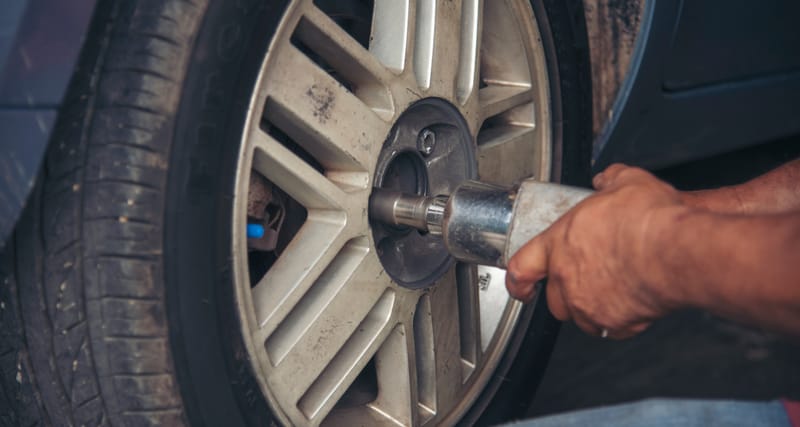
#1 Tyre Inspection before heading out:
Regular inspection and maintenance of your tyres will help prolong their lifespan. The condition of your tyre tread is one indicator of your vehicle’s health. Regular checks of all four tyres can help diagnose potential problems that may require professional intervention. Inspect your tyres at least once a month, as well as before and after long journeys.
#2 Tyre Pressure Monitoring:
Make it a habit of checking tyre pressure regularly (every 2-4 weeks) as proper tyre inflation can make driving a lot safer and make your tyres last longer. Always maintain Inflation Pressure (cold) within recommended parameters. Even in ideal conditions, tyres lose pressure at a rate of about 0.69 bar or 1 pound per square inch (psi) per month. That rate increases as temperatures rise. You’ll find the recommended pressure in your vehicle owner’s manual or on the sidewall of your tyre. Maintain 5 psi (0.3 kg/cm2 ) more pressure than recommended in the spare wheel and correct it once it’s put to use.
#3 Wheel Alignment Check:
Wheel alignment should be done after every 5,000 kms or whenever any irregular wear on tyre is found. Out-of-alignment situations are mainly caused by problems in the suspension, the system that connects your car with tyres.
#4 Wheel Balancing Check:
Wheel balancing allows the tyres and wheels to spin without causing any vibrations. This is recommended for better ride, handling and safety. Balance the wheel assembly whenever vibrations are felt during running. Out-of-balance situations are caused by improper weight distribution in the wheel and the tyre.
#5 Tyre Size and Upsizing:
For optimum radial advantage, mount tyres with recommended rim width. Upsizing wheels and tyres without due thought to manufacturer requirements for the vehicle can not only compromise the fuel efficiency and performance of your vehicle but also pose a safety risk for the driver and passengers.
#6 Post Puncture Maintenance:
Check tyres thoroughly for damages due to punctures and impact. Always use new tubeless valves and new tube while replacing the tubeless and tube type tyres. Post puncture maintenance is highly important to reduce the chances of punctures happening again and retain the structural integrity of your car tyres.
#7 Periodic Tyre Rotation:
Ensure that your tyres wear evenly by having them rotated every 5000 kms. Rotating your tyres helps achieve uniform wear across the full set. Even wear can help extend the life of your tyres and obtain balanced handling and traction. Regular tyre rotation can help keep your vehicle handling smoothly. It’s a good idea to rotate them at every second oil change.
#8 Timely Tyre Replacement:
Tyre life varies. It depends on your driving habits, the climate you live in and how well you maintain your tyres. All tyres wear out or become damaged and will eventually need replacing. Always replace tyres once tread wear indicator is visible.
#9 Weather Considerations:
Consider using seasonal tyres optimized for specific weather conditions. Winter tyres offer better traction on icy and snowy roads, while summer tyres provide superior performance in warm weather. Using the right tyres for the prevailing weather can significantly improve safety.
#10 Avoid Overloading:
Avoid exceeding the recommended weight capacity of your vehicle. Overloading puts excessive stress on the tyres, leading to accelerated wear and potential failure.
#11 Avoid Sudden Maneuvers:
Abrupt acceleration, braking, or sharp turns can cause excessive tyre wear and reduce their lifespan. Drive smoothly and anticipate traffic situations to avoid unnecessary strain on the tyres.
#12 Keep Tyres Clean:
Regularly clean your tyres to remove dirt, debris, and road grime. Accumulated contaminants can damage the tyre's rubber and compromise performance.
#13 Storage Precautions:
If you have spare tyres in storage, ensure they are kept in a cool, dry place away from direct sunlight and extreme temperatures. Proper storage helps maintain the integrity of the tyres.
#14 Use Tyre Sealants Cautiously:
While tyre sealants can temporarily repair minor punctures, it's essential to use them as a temporary solution only. Get a professional tyre repair or replacement for a long-term fix.
#15 Be Mindful of Road Hazards:
Avoid driving over sharp objects or potholes, which can cause tyre damage. Pay attention to the road conditions and take precautions to protect your tyres. Have a Road Hazard Protection Plan handy in case you are ever stranded.
#16 Seek Professional Help:
If you notice abnormal wear patterns, vibrations, or any other tyre-related issues, seek professional assistance from a qualified mechanic or tyre specialist at Apollo Tyres.
Concluding thoughts
Prioritizing proper tyre care and maintenance is crucial for ensuring a safe and smooth driving experience. Regular inspection, monitoring tyre pressure, wheel alignment, and balancing are essential practices to extend the lifespan of your tyres and enhance vehicle performance. By adhering to manufacturer guidelines, using recommended tyre sizes, and avoiding bad driving habits, you not only improve fuel efficiency but also reduce the risk of accidents caused by premature tyre damage or failure.
Choosing the right motorbike or car tyres based on usage conditions and considering weather-appropriate options further enhances safety and handling. Whether you are a daily commuter, an adventurous rider, or a long-distance tourer, understanding the distinct characteristics of each tyre type aids in making informed decisions.
Ultimately, investing in high-quality tyres from reputable brands like Apollo Tyres ensures you are equipped with reliable, durable, and well-performing tyres on your journeys.
Regular inspection and maintenance of your tyres will help prolong their lifespan. The condition of your tyre tread is one indicator of your vehicle’s health. Regular checks of all four tyres can help diagnose potential problems that may require professional intervention. Inspect your tyres at least once a month, as well as before and after long journeys.
#2 Tyre Pressure Monitoring:
Make it a habit of checking tyre pressure regularly (every 2-4 weeks) as proper tyre inflation can make driving a lot safer and make your tyres last longer. Always maintain Inflation Pressure (cold) within recommended parameters. Even in ideal conditions, tyres lose pressure at a rate of about 0.69 bar or 1 pound per square inch (psi) per month. That rate increases as temperatures rise. You’ll find the recommended pressure in your vehicle owner’s manual or on the sidewall of your tyre. Maintain 5 psi (0.3 kg/cm2 ) more pressure than recommended in the spare wheel and correct it once it’s put to use.
#3 Wheel Alignment Check:
Wheel alignment should be done after every 5,000 kms or whenever any irregular wear on tyre is found. Out-of-alignment situations are mainly caused by problems in the suspension, the system that connects your car with tyres.
#4 Wheel Balancing Check:
Wheel balancing allows the tyres and wheels to spin without causing any vibrations. This is recommended for better ride, handling and safety. Balance the wheel assembly whenever vibrations are felt during running. Out-of-balance situations are caused by improper weight distribution in the wheel and the tyre.
#5 Tyre Size and Upsizing:
For optimum radial advantage, mount tyres with recommended rim width. Upsizing wheels and tyres without due thought to manufacturer requirements for the vehicle can not only compromise the fuel efficiency and performance of your vehicle but also pose a safety risk for the driver and passengers.
#6 Post Puncture Maintenance:
Check tyres thoroughly for damages due to punctures and impact. Always use new tubeless valves and new tube while replacing the tubeless and tube type tyres. Post puncture maintenance is highly important to reduce the chances of punctures happening again and retain the structural integrity of your car tyres.
#7 Periodic Tyre Rotation:
Ensure that your tyres wear evenly by having them rotated every 5000 kms. Rotating your tyres helps achieve uniform wear across the full set. Even wear can help extend the life of your tyres and obtain balanced handling and traction. Regular tyre rotation can help keep your vehicle handling smoothly. It’s a good idea to rotate them at every second oil change.
#8 Timely Tyre Replacement:
Tyre life varies. It depends on your driving habits, the climate you live in and how well you maintain your tyres. All tyres wear out or become damaged and will eventually need replacing. Always replace tyres once tread wear indicator is visible.
#9 Weather Considerations:
Consider using seasonal tyres optimized for specific weather conditions. Winter tyres offer better traction on icy and snowy roads, while summer tyres provide superior performance in warm weather. Using the right tyres for the prevailing weather can significantly improve safety.
#10 Avoid Overloading:
Avoid exceeding the recommended weight capacity of your vehicle. Overloading puts excessive stress on the tyres, leading to accelerated wear and potential failure.
#11 Avoid Sudden Maneuvers:
Abrupt acceleration, braking, or sharp turns can cause excessive tyre wear and reduce their lifespan. Drive smoothly and anticipate traffic situations to avoid unnecessary strain on the tyres.
#12 Keep Tyres Clean:
Regularly clean your tyres to remove dirt, debris, and road grime. Accumulated contaminants can damage the tyre's rubber and compromise performance.
#13 Storage Precautions:
If you have spare tyres in storage, ensure they are kept in a cool, dry place away from direct sunlight and extreme temperatures. Proper storage helps maintain the integrity of the tyres.
#14 Use Tyre Sealants Cautiously:
While tyre sealants can temporarily repair minor punctures, it's essential to use them as a temporary solution only. Get a professional tyre repair or replacement for a long-term fix.
#15 Be Mindful of Road Hazards:
Avoid driving over sharp objects or potholes, which can cause tyre damage. Pay attention to the road conditions and take precautions to protect your tyres. Have a Road Hazard Protection Plan handy in case you are ever stranded.
#16 Seek Professional Help:
If you notice abnormal wear patterns, vibrations, or any other tyre-related issues, seek professional assistance from a qualified mechanic or tyre specialist at Apollo Tyres.
Concluding thoughts
Prioritizing proper tyre care and maintenance is crucial for ensuring a safe and smooth driving experience. Regular inspection, monitoring tyre pressure, wheel alignment, and balancing are essential practices to extend the lifespan of your tyres and enhance vehicle performance. By adhering to manufacturer guidelines, using recommended tyre sizes, and avoiding bad driving habits, you not only improve fuel efficiency but also reduce the risk of accidents caused by premature tyre damage or failure.
Choosing the right motorbike or car tyres based on usage conditions and considering weather-appropriate options further enhances safety and handling. Whether you are a daily commuter, an adventurous rider, or a long-distance tourer, understanding the distinct characteristics of each tyre type aids in making informed decisions.
Ultimately, investing in high-quality tyres from reputable brands like Apollo Tyres ensures you are equipped with reliable, durable, and well-performing tyres on your journeys.