Why Tyre Balancing Is Essential for a Smooth and Safe Ride?
Published on 09/27/2026
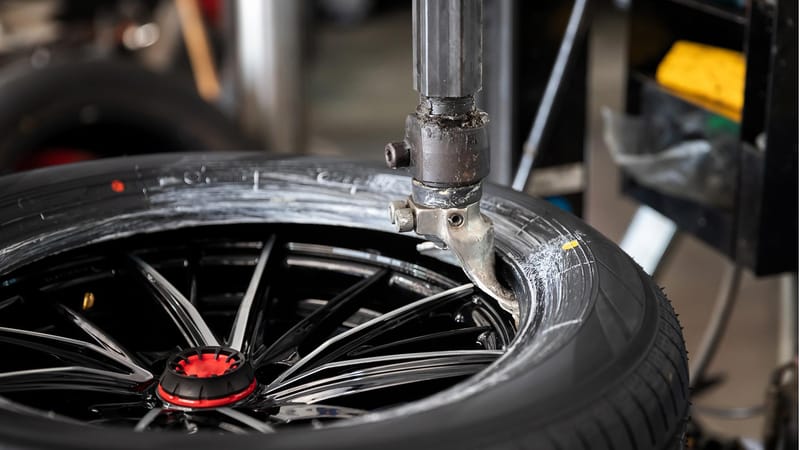
If you've ever driven a car and felt a strange vibration in the steering wheel or a light wobble at higher speeds, there's a good chance your tyres weren't balanced correctly. Many drivers assume issues like these come from suspension faults or poor road surfaces, when in reality, the problem often starts with something far simpler — tyre balancing.
It's one of those maintenance tasks many people don't think about until their car starts acting differently. But the more you understand what is tyre balancing, the more you'll see why it matters for comfort, safety, and even how long your tyres last.
Let's break it down in a way that's easy to understand and easy to remember.
What Is Tyre Balancing?
Before anything else, let's answer the basic question: what is tyre balancing?
In simple words, tyre balancing is the process of making sure the weight of a tyre-and-wheel assembly is even all around. Even the smallest imbalance, sometimes as light as a few grams, can cause the wheel to spin unevenly, leading to vibrations.
Every tyre and rim comes with slight imperfections from manufacturing. No matter how premium the tyre is, it will never be perfectly uniform. That's why technicians use small weights to correct these imbalances.
The goal is simple: when the wheel spins at high speeds, it must rotate smoothly without wobbling, hopping or vibrating.
Balanced tyres equal:
Why Tyre Balancing Matters More Than You Realise
Most drivers underestimate tyre balancing because it doesn't seem as "urgent" as a puncture or low air pressure. But here's the truth — unbalanced tyres gradually damage your vehicle, and your wallet.
Here's why it matters:
1. It Protects Your Suspension
Suspension components like shock absorbers, bushings, and bearings face extra stress when tyres vibrate. Over time, these parts wear out faster.
2. It Improves Tyre Longevity
Unbalanced tyres wear unevenly. That means you'll need replacements sooner, even if the tread looks fine in other areas.
3. It Makes Your Ride Smoother
If you've ever felt a shaky steering wheel at 80–100 km/h, that's an imbalance. Balancing eliminates that unpleasant vibration.
4. It Keeps Fuel Efficiency In Check
Tyres that wobble or hop slightly increase rolling resistance. Higher resistance = more fuel consumption.
5. It Enhances Safety
A vibrating wheel reduces braking stability and grip. Balanced tyres maintain optimal contact with the road.
Once you start feeling the difference, you'll understand why tyre balancing is essential for every car, new or old.
Do New Tyres Need Balancing?
Many people assume that if the tyres are brand new, they don't need balancing. Unfortunately, that's a myth. So, do new tyres need balancing? Yes, absolutely.
Every new tyre still has minor weight inconsistencies, and even brand-new rims aren't flawlessly balanced. When you mount new tyres, technicians must balance them before fitting them on your vehicle.
Key reasons why new tyres need balancing:
What Causes Tyres to Go Out of Balance?
Tyres don't remain perfectly balanced forever. Here's why they lose balance over time:
How Tyre Balancing Is Done: A Simple Walkthrough
Understanding how to do tyre balancing helps you know what's actually happening when your car goes into the service bay. Here's what technicians usually do:
Step 1: Remove the Wheels
The tyre-and-wheel assembly is removed from the car.
Step 2: Mount It on a Balancing Machine
This machine spins the tyre at high speed.
Step 3: Detect the Imbalance
Sensors identify where the weight is uneven, both vertically and side-to-side.
Step 4: Attach Small Weights
Metal weights are added to counter the imbalance. Some are clip-on; others are adhesive.
Step 5: Re-test Until Perfect
The tyre is re-spun until the machine shows zero imbalance.
This entire process takes around 10–15 minutes per tyre but makes a massive difference in driving comfort.
The Difference Between Tyre Balancing and Wheel Alignment
A lot of drivers confuse these two terms, but they're completely different services.
Tyre Balancing:
Signs Your Car Needs Tyre Balancing
These common symptoms are your car's subtle way of asking for help:
Never ignore these early signs. Your car always sends warnings before things worsen.
How Often Should You Balance Your Tyres?
A good rule of thumb:
Types of Tyre Balancing
Static Balancing
Corrects imbalance in a single plane. Used for minor issues.
Dynamic Balancing
Corrects both side-to-side and vertical imbalances. Used for modern cars and high-speed driving.
Road Force Balancing
Advanced method that simulates real road pressure. Helps fix stubborn vibration issues.
Most cars today need dynamic balancing, which is the most accurate and commonly used method.
Why Tyre Balancing Helps Save Money
Many drivers don't realise tyre balancing indirectly saves a lot of money by:
Can You Drive with Unbalanced Tyres?
You can, but you shouldn't. Driving with unbalanced tyres will:
Also Read – Wheel Alignment and Balancing, They are Not the Same
Conclusion
Balancing isn't just a task done in a regular workshop; rather it is an integral part of righteous, safe and efficient driving. The balancing of tyres produces a vehicle that is steady and smooth riding regardless if the tyre is new or old or just went through a bad pothole.
Learning about why tyre balance, how it works and when you should have it done, is key to not only protecting your car but also to protecting your wallet as well. A few grams of misbalance in tyre weight may appear inconsequential to the average driver; however, properly balancing the tyre may make a tremendous impact on the quality of ride.
If you would like to get the maximum lifespan out of your tyres, suspension, and fuel economy, you need to ensure that you have your tyres balanced regularly. The driving experience of the car will improve, and the response time when you hit the road will also be enhanced.
It's one of those maintenance tasks many people don't think about until their car starts acting differently. But the more you understand what is tyre balancing, the more you'll see why it matters for comfort, safety, and even how long your tyres last.
Let's break it down in a way that's easy to understand and easy to remember.
What Is Tyre Balancing?
Before anything else, let's answer the basic question: what is tyre balancing?
In simple words, tyre balancing is the process of making sure the weight of a tyre-and-wheel assembly is even all around. Even the smallest imbalance, sometimes as light as a few grams, can cause the wheel to spin unevenly, leading to vibrations.
Every tyre and rim comes with slight imperfections from manufacturing. No matter how premium the tyre is, it will never be perfectly uniform. That's why technicians use small weights to correct these imbalances.
The goal is simple: when the wheel spins at high speeds, it must rotate smoothly without wobbling, hopping or vibrating.
Balanced tyres equal:
- A smoother ride
- Less strain on suspension
- Better fuel efficiency
- Longer tyre life
Why Tyre Balancing Matters More Than You Realise
Most drivers underestimate tyre balancing because it doesn't seem as "urgent" as a puncture or low air pressure. But here's the truth — unbalanced tyres gradually damage your vehicle, and your wallet.
Here's why it matters:
1. It Protects Your Suspension
Suspension components like shock absorbers, bushings, and bearings face extra stress when tyres vibrate. Over time, these parts wear out faster.
2. It Improves Tyre Longevity
Unbalanced tyres wear unevenly. That means you'll need replacements sooner, even if the tread looks fine in other areas.
3. It Makes Your Ride Smoother
If you've ever felt a shaky steering wheel at 80–100 km/h, that's an imbalance. Balancing eliminates that unpleasant vibration.
4. It Keeps Fuel Efficiency In Check
Tyres that wobble or hop slightly increase rolling resistance. Higher resistance = more fuel consumption.
5. It Enhances Safety
A vibrating wheel reduces braking stability and grip. Balanced tyres maintain optimal contact with the road.
Once you start feeling the difference, you'll understand why tyre balancing is essential for every car, new or old.
Do New Tyres Need Balancing?
Many people assume that if the tyres are brand new, they don't need balancing. Unfortunately, that's a myth. So, do new tyres need balancing? Yes, absolutely.
Every new tyre still has minor weight inconsistencies, and even brand-new rims aren't flawlessly balanced. When you mount new tyres, technicians must balance them before fitting them on your vehicle.
Key reasons why new tyres need balancing:
- Manufacturing variances
- Minor differences in rubber thickness
- Air pockets inside the tyre structure
- Rim imperfections
- Valve weight differences
What Causes Tyres to Go Out of Balance?
Tyres don't remain perfectly balanced forever. Here's why they lose balance over time:
- Normal wear and tear
- Hitting potholes or road bumps
- Uneven tread wear
- Tyre age and hardening
- Fixing punctures
- Rim damage
- Using seasonal tyres
How Tyre Balancing Is Done: A Simple Walkthrough
Understanding how to do tyre balancing helps you know what's actually happening when your car goes into the service bay. Here's what technicians usually do:
Step 1: Remove the Wheels
The tyre-and-wheel assembly is removed from the car.
Step 2: Mount It on a Balancing Machine
This machine spins the tyre at high speed.
Step 3: Detect the Imbalance
Sensors identify where the weight is uneven, both vertically and side-to-side.
Step 4: Attach Small Weights
Metal weights are added to counter the imbalance. Some are clip-on; others are adhesive.
Step 5: Re-test Until Perfect
The tyre is re-spun until the machine shows zero imbalance.
This entire process takes around 10–15 minutes per tyre but makes a massive difference in driving comfort.
The Difference Between Tyre Balancing and Wheel Alignment
A lot of drivers confuse these two terms, but they're completely different services.
Tyre Balancing:
- Corrects weight imbalance
- Helps reduce vibrations
- Uses weights
- Commonly done during rotation
- Adjusts the angles of the wheels
- Ensures the tyres point straight
- Prevents uneven tread wear
- Improves handling and stability
Signs Your Car Needs Tyre Balancing
These common symptoms are your car's subtle way of asking for help:
- Steering wheel vibrations
- Vibration in seats at high speed
- Uneven tyre wear
- Tyre cupping or scalloping
- Increased noise
- Reduced mileage
Never ignore these early signs. Your car always sends warnings before things worsen.
How Often Should You Balance Your Tyres?
A good rule of thumb:
- Every 5,000–7,000 km
- During every tyre rotation
- When you install new tyres
- After hitting a pothole aggressively
- If you feel vibrations while driving
Types of Tyre Balancing
Static Balancing
Corrects imbalance in a single plane. Used for minor issues.
Dynamic Balancing
Corrects both side-to-side and vertical imbalances. Used for modern cars and high-speed driving.
Road Force Balancing
Advanced method that simulates real road pressure. Helps fix stubborn vibration issues.
Most cars today need dynamic balancing, which is the most accurate and commonly used method.
Why Tyre Balancing Helps Save Money
Many drivers don't realise tyre balancing indirectly saves a lot of money by:
- Preventing early tyre replacement
- Reducing suspension repair costs
- Lowering fuel consumption
- Avoiding uneven wear
- Improving tyre lifespan
Can You Drive with Unbalanced Tyres?
You can, but you shouldn't. Driving with unbalanced tyres will:
- Damage suspension and steering
- Cause irregular tyre wear
- Reduce braking efficiency
- Increase vibrations and noise
- Reduce control at high speeds
Also Read – Wheel Alignment and Balancing, They are Not the Same
Conclusion
Balancing isn't just a task done in a regular workshop; rather it is an integral part of righteous, safe and efficient driving. The balancing of tyres produces a vehicle that is steady and smooth riding regardless if the tyre is new or old or just went through a bad pothole.
Learning about why tyre balance, how it works and when you should have it done, is key to not only protecting your car but also to protecting your wallet as well. A few grams of misbalance in tyre weight may appear inconsequential to the average driver; however, properly balancing the tyre may make a tremendous impact on the quality of ride.
If you would like to get the maximum lifespan out of your tyres, suspension, and fuel economy, you need to ensure that you have your tyres balanced regularly. The driving experience of the car will improve, and the response time when you hit the road will also be enhanced.