Worn-Out Tyres: How to Know When Your Tyres Need Replacing
Published on 09/22/2026
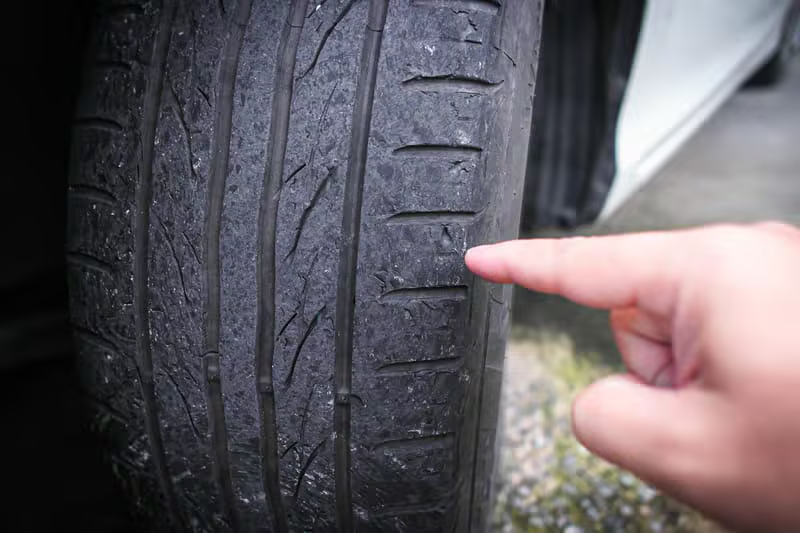
Tyres are the only part of a vehicle that touches the road, which makes their condition essential for safe driving. As tyres wear down, they lose grip, take longer to stop, and become more vulnerable to damage. Recognising the signs of worn-out tyres helps drivers, workshops, and fleet operators prevent breakdowns and keep vehicles moving safely.
Why worn-out tyres are dangerous
A tyre with low tread depth cannot channel water away effectively. This increases the risk of aquaplaning on wet roads and reduces braking performance. Worn tyres also offer less stability during cornering, especially when a vehicle is loaded or travelling at higher speeds.
In Namibia’s mix of urban roads, gravel routes, long-distance highways, and commercial workloads, tyre wear should be checked regularly. Heat, heavy loads, incorrect inflation, and poor wheel alignment can all shorten tyre life.
Check the tread depth
Tread depth is one of the clearest indicators of tyre health. If the tread has worn close to the tyre’s tread wear indicators, the tyre should be replaced. These small raised bars sit inside the grooves of the tyre. When the tread is level with these bars, the tyre no longer has enough usable tread for safe performance.
Drivers should inspect tyres across the full width of the tread, not just the centre. Uneven wear on the inner or outer edge can indicate alignment, suspension, or inflation problems.
Look for visible damage
Worn-out tyres are not only identified by tread depth. Cuts, cracks, bulges, exposed cords, and puncture damage are serious warning signs. A bulge on the sidewall can indicate internal tyre damage and should be inspected immediately. Driving on a damaged tyre can lead to sudden failure.
Watch for uneven tyre wear
Uneven wear patterns often point to mechanical or maintenance issues. Wear in the centre of the tyre may suggest over-inflation. Wear on both shoulders can be caused by under-inflation. Wear on one side may indicate poor wheel alignment. Feathering or patchy wear can suggest balancing or suspension problems.
Replacing the tyre solves the immediate safety issue, but the cause should also be corrected to prevent the new tyre from wearing out too quickly.
Pay attention to vehicle behaviour
If the vehicle vibrates, pulls to one side, feels unstable in wet conditions, or requires a longer distance to stop, the tyres should be checked. These symptoms can be linked to tyre wear, imbalance, alignment, or suspension faults.
Tyre age also matters
Even if a tyre has usable tread, rubber can harden and crack with age. Heat, sunlight, storage conditions, and vehicle usage all affect tyre ageing. Tyres that show cracking, stiffness, or sidewall deterioration should be inspected by a professional.
How to extend tyre life
- Check tyre pressure regularly and adjust it according to the vehicle load.
- Rotate tyres at recommended intervals to promote even wear.
- Balance wheels when vibrations appear or after fitting new tyres.
- Inspect alignment if tyres wear unevenly or the vehicle pulls to one side.
- Avoid overloading the vehicle beyond the tyre’s load rating.
- Inspect tyres before long trips, especially on commercial or fleet vehicles.
When should tyres be replaced?
Replace tyres when the tread reaches the wear indicators, when visible damage is present, when the tyre shows severe cracking or bulging, or when uneven wear has made the tyre unsafe. For fleets and trade customers, regular inspections reduce downtime and support safer operations.
If you are unsure whether a tyre is still safe, have it inspected before continuing to drive. Tyre World Namibia can assist retailers, workshops, and fleet operators with sourcing suitable replacement tyres for different vehicle types and operating conditions.